
Key Takeaways
- The first days bring a warm welcome, a meet-and-greet with the care team, and a personalized plan that starts right away.
- Confusion, restlessness, and shifts in sleep or appetite are normal and tied to memory changes, not the care.
- Calm, well-timed visits focused on connection help your loved one feel grounded.
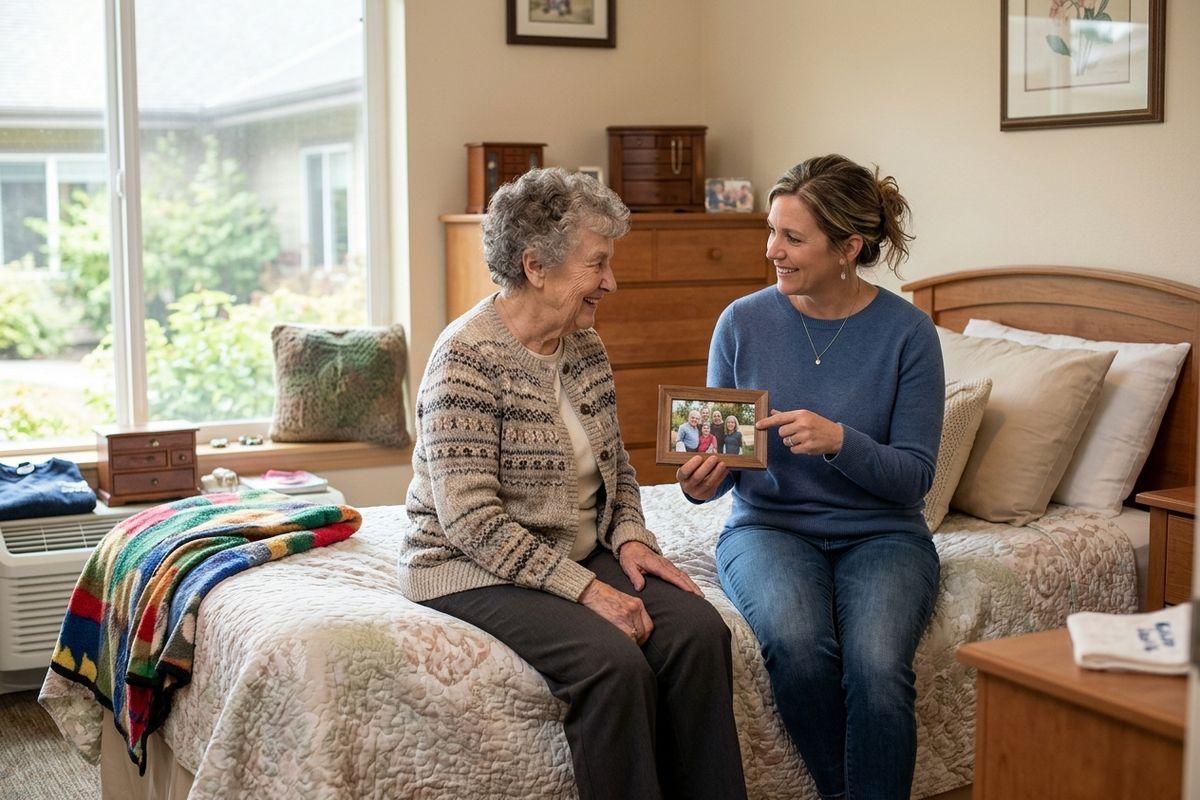
- A cozy, familiar suite with photos and keepsakes makes the space feel like home.
- Sharing routines and leaning on the team supports both your loved one and you.
What the First Weeks of Memory Care Look Like
Moving a parent into memory care stirs up a lot at once. You want them safe. You also want them to feel at home. The team at Generations Memory Care gets it. Those first weeks can feel like a blur of questions, and you deserve clear answers about specialized memory care and what comes next.
The first weeks blend a warm welcome, gentle routines, and steady support, giving your loved one time to settle in while the care team learns exactly how to help them thrive.
The First Days at Memory Care in Rathdrum, Idaho
The first day sets the tone. At Generations Memory Care, your family gets a warm welcome and a calm orientation, so you know who to call and what happens next. You walk the halls, see the open spaces, and meet familiar faces right away.
You also meet the care team early. They listen to your loved one’s story, ask about routines, and learn the small things that bring comfort. This is memory care built around real people, not paperwork.
A personalized care plan starts on day 1. The team builds it around your loved one’s remaining strengths, daily habits, and favorite parts of the day. That plan grows and shifts as they get to know your parent better.
How Your Loved One May React to the Change
New surroundings can feel confusing at first. Your loved one might ask to go home, pace the halls, or seem restless in the evenings. You may also notice changes in appetite or sleep during this stretch.
These reactions can tug at your heart. Still, they are common signs of adjustment, and the team in this dementia care knows how to respond with calm and patience.
How Long Adjustment Usually Takes
Every person settles in at their own pace. For some, it takes a few days. For others, it can take weeks or a few months.
Expect good days and harder days mixed together. A peaceful afternoon might follow a tough morning. That ebb and flow is part of the process, not a sign something is wrong.
Why These Responses Are Normal
Most of these reactions link to memory changes, not to the care itself. The brain is working hard to make sense of a new place, and that takes time.
The team responds with patience and warmth. They redirect gently, offer comfort, and meet your loved one where they are at each moment.
How to Make Early Visits Count
Timing makes a big difference. Pick calm, predictable hours when your loved one tends to feel their best, often mid-morning or early afternoon.
Try to skip meal times and late afternoons, when fatigue and busy moments can add stress. Keep visits short and steady at first, then build from there.
Focus on connection, not corrections. If a story doesn’t add up, let it go and simply enjoy the time together. A shared smile matters more than getting the details right.
Comforting Items to Bring
Familiar objects help your loved one feel anchored. A few thoughtful items can turn a new space into a comfort zone.
- Family photos and cherished trinkets
- A favorite blanket or soft pillow
- Music they love from years past
- Labeled clothing and personal items so nothing gets lost
How to Set Up a Familiar, Cozy Space
A suite that feels like home eases the transition. Arrange furniture the way your parent likes it, and keep favorite pieces within reach. A simple memory care packing list can help you choose the right things to bring.
Add photos, keepsakes, and meaningful items that spark warm memories. A wall of grandkids or a beloved quilt can bring instant comfort.
Fresh air helps too. The secure courtyard gives your loved one a safe spot to enjoy the seasons, from lush summer greenery to crisp Idaho Panhandle mornings.
Your Partnership with the Care Team
You know your parent better than anyone. Share their history, daily routines, and little preferences, like how they take their coffee or which songs lift their mood. Every detail helps the team care well.
The community follows a “Do With, Not Do For” approach. The team invites your loved one to join in folding laundry, watering plants, or setting the table, which protects their dignity and sense of purpose. This is one of the lasting benefits of memory care.
Watch for signs they’re settling in. More smiles, easier sleep, and new friendships all point to progress.
How to Care for Yourself Too
This change is heavy for you as well. Honor your mixed emotions, whether relief, guilt, or grief, and give yourself grace.
Lean on the team for support and updates, and consider stepping back to recharge. You don’t carry this alone, and asking questions is always welcome.
Take the Next Step with Confidence
The first weeks pass, and brighter days follow. Generations Memory Care offers specialized memory care and short-term respite care for families across the Idaho Panhandle. Reach out today to schedule a visit and see this welcoming community for yourself.